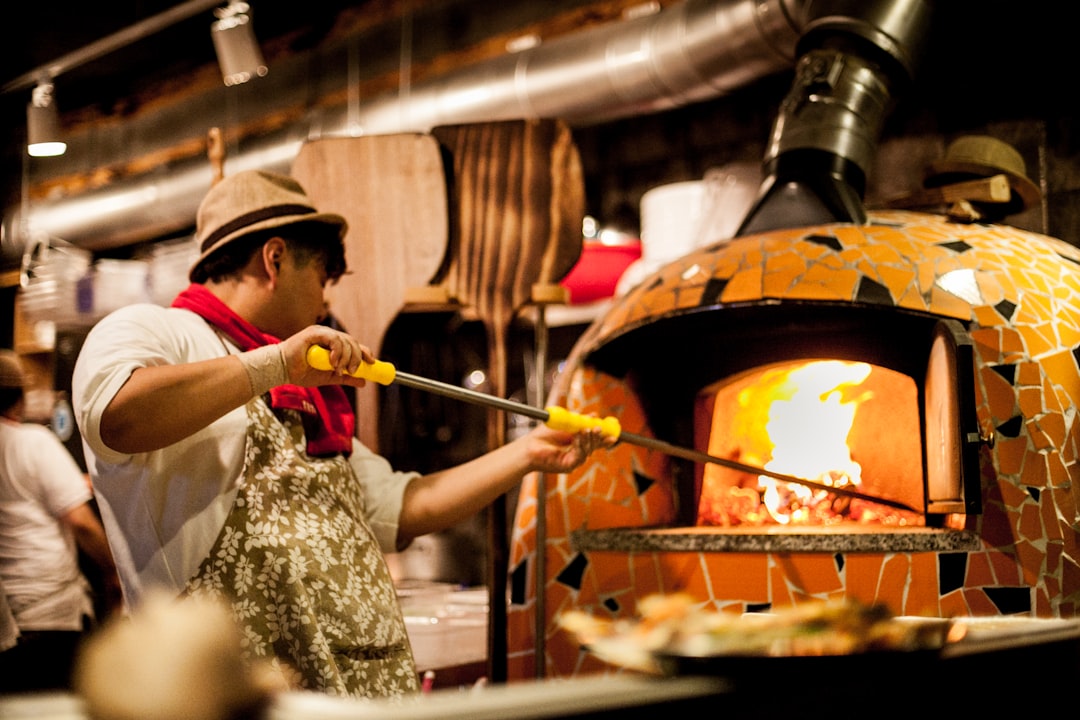
From a relatively unknown Italian specialty to Ireland's most popular takeaway food, pizza's journey in Irish culture is a fascinating story of adaptation, acceptance, and innovation. At Apache Pizza Ireland, we've had a front-row seat to this culinary evolution over the past two decades. Today, we're exploring how pizza became so deeply embedded in Irish life and the unique ways Irish culture has shaped and been shaped by this beloved food.
The Early Days: Pizza Arrives in Ireland
Pizza's arrival in Ireland was gradual and modest. Italian immigrants had been part of Irish society since the late 19th century, primarily running fish and chip shops, ice cream parlors, and cafés. However, pizza remained relatively unknown to most Irish people until the 1960s and 1970s when the first dedicated pizzerias opened in Dublin and other major cities.
These early pizzerias were novelties, exotic restaurants where adventurous diners could experience Italian cuisine beyond spaghetti. Pizza was considered foreign and sophisticated, something you might try on special occasions but not everyday food. The ingredients seemed strange to Irish palates more accustomed to traditional meat and potatoes meals.
The early pizzerias faced challenges adapting authentic Italian recipes to available ingredients and local tastes. Italian specialty ingredients were difficult to source, requiring creative substitutions. Irish customers weren't initially familiar with olive oil, oregano, or fresh mozzarella, so recipes evolved to accommodate local preferences and available supplies.
Despite these challenges, pizza gradually gained popularity, particularly among younger Irish people who were more open to international foods. The 1970s and 1980s saw increasing travel to continental Europe, exposing more Irish people to pizza in its various forms. This exposure created curiosity and demand that Irish pizzerias worked to satisfy.
The Delivery Revolution
The real transformation in Irish pizza culture came with the delivery model's introduction in the 1980s and 1990s. International pizza chains brought sophisticated delivery operations to Ireland, demonstrating that pizza could be conveniently ordered to your home rather than requiring restaurant visits.
This shift was revolutionary. Suddenly, pizza became accessible for casual weeknight dinners, children's parties, sports viewing gatherings, and countless other occasions where convenience mattered. The phone call (and eventually online order) replaced the need to dress up, travel to a restaurant, and commit to a formal dining experience.
Delivery pizza aligned perfectly with changing Irish lifestyles. More women were working outside the home, leaving less time for elaborate meal preparation. Busier schedules and smaller family sizes made convenient, flexible meal options increasingly valuable. Pizza filled these needs while offering something more interesting than traditional fish and chips.
The delivery model also introduced pizza to parts of Ireland previously underserved by restaurants. Rural areas and small towns could now enjoy pizza without traveling to cities. This geographic expansion accelerated pizza's integration into Irish culture, making it accessible to virtually every community across the country.
Pizza Replaces Traditional Takeaway
Perhaps the most dramatic cultural shift was pizza's ascendance over fish and chips as Ireland's favorite takeaway. For generations, fish and chips had been the undisputed champion of Irish takeaway food, a tradition with deep cultural roots. Pizza's displacement of this institution demonstrates how thoroughly it's been embraced.
Several factors contributed to this shift. Pizza's variety accommodates diverse preferences within families or groups, whereas fish and chips offers fewer options. Pizza's perceived value—substantial food that serves multiple people—made it economically attractive. The novelty factor also played a role; pizza felt more modern and international compared to traditional fish and chips.
This doesn't mean fish and chips disappeared, but pizza's rise to dominance marked a significant cultural evolution. Irish people were willing to embrace a foreign food tradition so completely that it supplanted a beloved domestic one, reflecting Ireland's increasing cultural openness and diversity.
Interestingly, many former fish and chip shops added pizza to their menus or converted entirely to pizzerias, recognizing changing customer preferences. This adaptation demonstrated pragmatic business sense while preserving some Italian-Irish culinary continuity, as many chip shop owners had Italian heritage.
Irish Innovations and Preferences
While embracing pizza, Irish culture has also shaped it in distinctive ways. Irish pizza preferences don't exactly mirror those in Italy, America, or elsewhere. We've developed our own tastes and expectations that reflect Irish culture and palate.
Topping preferences show interesting patterns. While pepperoni dominates as in many countries, Irish customers show strong preferences for chicken as a pizza protein, often higher than in other markets. BBQ chicken pizza, relatively unknown in Italy, has become a hugely popular option in Ireland. This reflects Irish familiarity with chicken as a primary meat and the appeal of sweet-savory BBQ flavors.
Irish pizza sizes tend toward the generous. While authentic Neapolitan pizzas are individual-sized, Irish customers expect pizzas to serve multiple people, with large and family sizes being the most common orders. This reflects Irish traditions of sharing food and the practical consideration of feeding families economically.
We've also developed uniquely Irish pizza occasions. Pizza has become the unofficial food of sports viewing, particularly for GAA matches, rugby internationals, and football tournaments. This association between pizza and sports watching is so strong that major matches consistently generate our busiest delivery periods.
Pizza in Irish Social Life
Pizza has become deeply woven into Irish social fabric in ways that extend beyond simple meal occasions. It represents casualness, inclusivity, and celebration without formality—values that resonate with Irish social culture.
Children's birthday parties in Ireland now almost universally feature pizza. This wasn't always the case; previous generations celebrated with tea parties or traditional party foods. Pizza's rise to birthday party dominance reflects its ability to satisfy children while being convenient for parents and universally acceptable to young palates.
Student culture heavily features pizza as affordable, satisfying food for late-night study sessions, post-exam celebrations, and casual gatherings. University areas consistently show high pizza consumption, and many Irish people's first experiences of independence include regular pizza orders no longer subject to parental oversight.
Office culture has also embraced pizza for working lunches, Friday treats, and celebration meals. Pizza's ability to feed groups without requiring utensils, plates, or formal service makes it ideal for workplace contexts. Many Irish offices have regular "Pizza Friday" traditions that build team culture around shared meals.
The Irish Family Pizza Night
Perhaps nowhere is pizza more embedded in Irish culture than in the concept of "pizza night"—typically Friday evenings when families order pizza rather than cooking. This tradition has become so established that many Irish families consider it a regular part of their weekly rhythm.
Pizza night serves multiple functions in Irish family life. It provides parents a break from cooking after a long week. It offers children something to look forward to, marking the transition from school week to weekend. It creates family time around shared meals without the work of cooking and cleaning. And it allows individual preferences within a single meal order, accommodating diverse family tastes.
This tradition reflects broader Irish cultural values around family meals and togetherness. Even as schedules become busier and families spend less time around dinner tables, pizza night preserves dedicated family meal time. The informality of eating pizza makes it accessible even when families are tired, stressed, or distracted.
The ritual aspects shouldn't be underestimated. Many families have developed specific pizza night traditions: certain movies always watched, particular games played, or established ordering patterns where everyone knows their preferred choices. These rituals create continuity and shared family identity around something as simple as ordering pizza.
Regional Variations Within Ireland
While pizza is popular throughout Ireland, interesting regional variations exist in preferences and consumption patterns. Urban areas show more adventurous topping choices and greater willingness to try specialty pizzas, while rural areas tend toward classic, familiar options.
Dublin and other major cities have larger Italian populations and more exposure to authentic Italian pizza traditions, creating demand for more traditional Neapolitan-style offerings alongside American-style delivery pizza. Cork, with its strong food culture, shows particular interest in quality ingredients and local sourcing on pizzas.
Coastal areas sometimes show higher interest in seafood pizzas, reflecting local food traditions and ingredient availability. Agricultural regions demonstrate strong support for pizzas featuring local produce and meats, connecting pizza to Irish food traditions even while being foreign in origin.
These regional variations demonstrate that Irish pizza culture isn't monolithic. Different communities have adapted pizza to their specific contexts and preferences, creating a diverse national pizza landscape that reflects Ireland's regional diversity.
Pizza and Irish Identity
The complete integration of pizza into Irish culture raises interesting questions about food and identity. How can something so foreign become so thoroughly Irish? The answer lies in understanding that food cultures evolve and that Irish identity has always included adaptation and integration of outside influences.
Irish people don't eat pizza despite being Irish; pizza consumption has become part of being Irish in the 21st century. A generation has now grown up with pizza as fundamental to their food landscape as potatoes or bread. For young Irish people, pizza isn't foreign food; it's just food, as Irish as anything else they eat regularly.
This integration parallels other cultural adoptions throughout Irish history. Tea, now quintessentially Irish, came from China. Potatoes, central to Irish identity and history, originated in South America. Italian chipper culture became Irish institution. Food cultures constantly evolve through contact, trade, and migration, and pizza's Irish adoption continues this pattern.
The Irish embrace of pizza also reflects contemporary Irish identity as increasingly multicultural and internationally connected. Modern Ireland is comfortable incorporating global influences while maintaining distinctive Irish character. Pizza consumption represents this cosmopolitan Irish identity that values both tradition and openness to the world.
Economic and Social Impact
Beyond cultural significance, pizza's popularity has generated substantial economic activity and employment across Ireland. Pizzerias and pizza delivery operations employ thousands of Irish people in diverse roles from pizza makers to delivery drivers to management positions.
The pizza industry supports Irish agriculture through ingredient purchasing. While some specialty items must be imported, significant portions of pizza ingredients—dairy, vegetables, meats—come from Irish farms. This connection between international food and local agriculture benefits Irish economy while ensuring ingredient freshness.
Pizza businesses contribute to local communities through sponsorships, charitable giving, and participation in community events. Apache Pizza specifically has longstanding commitments to supporting Irish sports clubs, schools, and community organizations. These relationships make pizza businesses integral community members rather than just commercial enterprises.
The Future of Pizza in Irish Culture
Looking ahead, pizza's place in Irish culture appears secure and continues evolving. Health consciousness is influencing pizza with increased demand for vegetable-forward options, whole grain crusts, and nutritional transparency. Sustainability concerns are driving interest in local sourcing and eco-friendly practices.
Technology is changing how Irish people interact with pizza through online ordering apps, delivery tracking, and digital loyalty programs. These innovations make pizza even more accessible and convenient, likely strengthening its cultural position.
New immigrants to Ireland bring diverse pizza traditions from their home countries, enriching Irish pizza culture with different styles and approaches. This diversity creates opportunities for innovation while broadening Irish understanding of pizza's global variations.
The fundamental appeal that made pizza popular in Ireland—convenience, variety, shareability, and deliciousness—remains as relevant as ever. As long as these attributes align with Irish lifestyles and values, pizza will remain central to Irish food culture.
Apache Pizza's Role in the Story
Apache Pizza has been privileged to participate in and contribute to Irish pizza culture over the past two decades. We've served millions of Irish families, celebrated countless birthdays and occasions, and become part of community fabric across Ireland.
Our commitment has always been honoring pizza traditions while respecting Irish preferences and values. We strive to bring authentic quality to convenient delivery service, to provide employment opportunities across Ireland, and to support communities where we operate.
As Irish pizza culture continues evolving, Apache Pizza will evolve with it, always maintaining our core commitment to quality, service, and community connection. We're not just selling pizza; we're participating in Irish life and culture, one delivery at a time.
Visit apachepllzza.com to become part of this ongoing story and enjoy pizza that's both authentically crafted and distinctly Irish in its context and cultural meaning.